
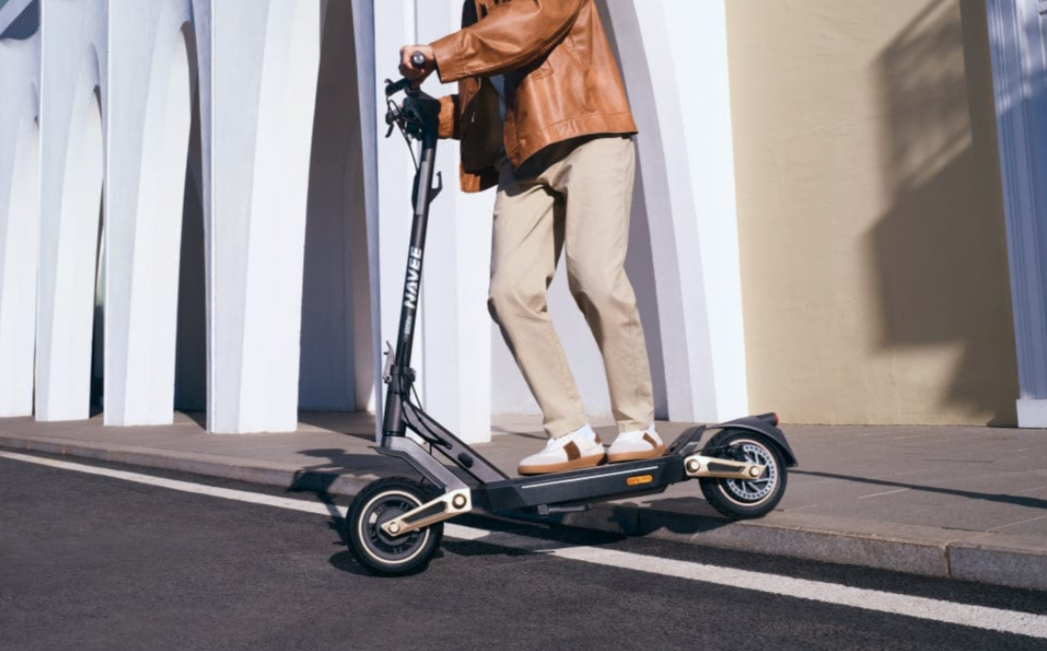
When shopping for the best electric scooters with suspension, you will quickly notice that suspension is one of the most talked-about features. Manufacturers often highlight it because it plays a major role in comfort, safety, and overall ride quality. Whether you use an electric scooter for daily commuting, weekend rides, or exploring different types of terrain, understanding how suspension works can help you make a smarter buying decision. A good suspension system can turn a rough and uncomfortable ride into a smooth and enjoyable experience.
What Is an Electric Scooter Suspension System?
A suspension system is the part of the scooter that connects the wheels to the frame. Its main job is to absorb shocks and vibrations caused by bumps, cracks, gravel, and uneven surfaces. Instead of allowing every impact to travel directly to the rider, the suspension helps soften these forces before they reach the handlebars and deck.
Most suspension systems include springs, rubber components, dampers, or hydraulic mechanisms. These parts work together to keep the wheels in contact with the ground while reducing the amount of vibration felt by the rider.
Why Suspension Is Important
A suspension system does much more than simply make rides feel smoother. It improves several important aspects of scooter performance.
Better Riding Comfort
One of the biggest benefits of suspension is comfort. Roads are rarely perfectly smooth, and riding over rough surfaces can quickly become tiring. A quality suspension system absorbs bumps and vibrations, reducing strain on your feet, legs, and back. This is especially helpful during longer rides.
Improved Safety
A scooter that bounces excessively can be difficult to control. Suspension helps keep the rider balanced by reducing sudden movements caused by rough terrain. Better stability means a lower chance of losing control when riding over cracks, potholes, or uneven surfaces.
Greater Control and Handling
Road conditions can change unexpectedly. Loose gravel, small obstacles, and uneven pavement can affect how a scooter responds. Suspension helps maintain tire contact with the road, making steering and handling more predictable and giving riders greater confidence.
Increased Durability
Frequent impacts can place stress on a scooter’s frame, wheels, and other components. By absorbing much of this force, suspension helps reduce wear and tear, potentially extending the lifespan of the scooter.
Better Support for Different Riders
Suspension can improve ride quality for riders of different weights. Heavier riders often benefit from suspension because it helps manage the additional force placed on the scooter during everyday use.
Types of Electric Scooter Suspension and How to Choose the Best One
Different electric scooters use different suspension designs. Each type has strengths and weaknesses, making some better suited for certain riding styles and budgets.
Spring Suspension
Spring suspension is one of the most common systems found on electric scooters. It uses metal springs to absorb impacts and maintain stability while riding.
Advantages of Spring Suspension
- Affordable and widely available
- Simple design with easy maintenance
- Effective for everyday city riding
- Good at handling small bumps and uneven pavement
Disadvantages of Spring Suspension
- Limited adjustment options
- Less effective on larger obstacles
- Springs can wear out over time and may need replacement
Hydraulic Suspension
Hydraulic suspension uses fluid-filled components to control movement and absorb impacts more effectively. It is commonly found on premium and high-performance scooters.
Advantages of Hydraulic Suspension
- Excellent shock absorption
- Smooth performance over rough surfaces
- Often adjustable for different rider preferences
- Long-lasting when properly maintained
Disadvantages of Hydraulic Suspension
- More expensive than spring systems
- Adds weight to the scooter
- Repairs can be more complicated if leaks occur
Rubber Suspension
Rubber suspension relies on flexible rubber components to absorb vibrations and impacts.
Advantages of Rubber Suspension
- Lightweight design
- Low maintenance requirements
- Budget-friendly option
- Compact and simple construction
Disadvantages of Rubber Suspension
- Limited shock absorption capability
- Less comfortable on rough roads
- Rubber can deteriorate over time
Swingarm Suspension
Swingarm suspension uses a pivoting arm combined with springs or hydraulic shocks to improve stability and comfort. This design is common on high-performance electric scooters.
Advantages of Swingarm Suspension
- Excellent ride comfort
- Superior stability and control
- Performs well on rough terrain
- Suitable for both commuting and recreational riding
Disadvantages of Swingarm Suspension
- Higher purchase cost
- More complex construction
- Increased scooter weight
Front Suspension vs. Rear Suspension vs. Dual Suspension
The placement of suspension also affects ride quality.
Front Suspension
Front suspension absorbs impacts from the front wheel. It improves steering stability and helps reduce handlebar vibrations.
Best for:
- Urban commuting
- Smooth roads
- Riders who prioritize steering control
Rear Suspension
Rear suspension focuses on impacts felt through the back wheel. It helps improve comfort and traction.
Best for:
- Riders carrying heavier loads
- Light off-road use
- Comfort-focused riding
Front and Rear Suspension
Dual suspension combines both front and rear systems to provide maximum comfort and control.
Best for:
- Long-distance riding
- Mixed terrain
- Rough roads and gravel paths
- Riders seeking the smoothest experience possible
Factors That Affect Suspension Performance
Even the best suspension system can be affected by other factors.
Tire Quality
Tires play a major role in ride comfort. High-quality pneumatic tires can work together with suspension to absorb impacts more effectively.
Rider Weight and Weight Distribution
The way weight is distributed on the scooter affects suspension performance. Staying balanced and choosing a scooter that matches your weight capacity helps ensure the system works properly.
Road Conditions
Smooth roads naturally provide a better riding experience. Rough terrain places greater demands on the suspension system and may require a more advanced setup.
Personal Riding Preferences
Some riders prefer a firmer feel for better handling, while others prefer a softer ride focused on comfort. The ideal suspension depends on your personal preferences and riding style.
Maintaining Your Electric Scooter Suspension
Regular maintenance helps keep suspension performing at its best.
Inspect Components Regularly
Check springs, rubber parts, bolts, and suspension arms for signs of wear or damage.
Keep Moving Parts Clean
Dust, dirt, and debris can affect suspension performance. Cleaning components regularly helps prevent premature wear.
Lubricate When Necessary
Certain suspension systems contain moving parts that benefit from proper lubrication.
Seek Professional Help for Hydraulic Systems
Hydraulic suspension may require professional servicing if leaks or performance issues occur.
How to Choose the Best Suspension for Your Needs
There is no single suspension system that is perfect for everyone. The best choice depends on how and where you ride.
If you mainly travel on smooth city streets and want to save money, a scooter with front or rear spring suspension may be enough. If you regularly ride on rough roads, travel long distances, or want maximum comfort and safety, a scooter with front and rear suspension is usually the better investment.
Conclusion
Suspension is one of the most important features of an electric scooter. It improves comfort, increases safety, enhances control, and helps protect the scooter from long-term wear. Whether you choose a spring, hydraulic, rubber, or swingarm system, understanding how suspension works will help you select a model that fits your riding needs. By choosing the right suspension setup and maintaining it properly, you can enjoy smoother, safer, and more comfortable rides for years to come.